Article processing charges and the fine print of agreements

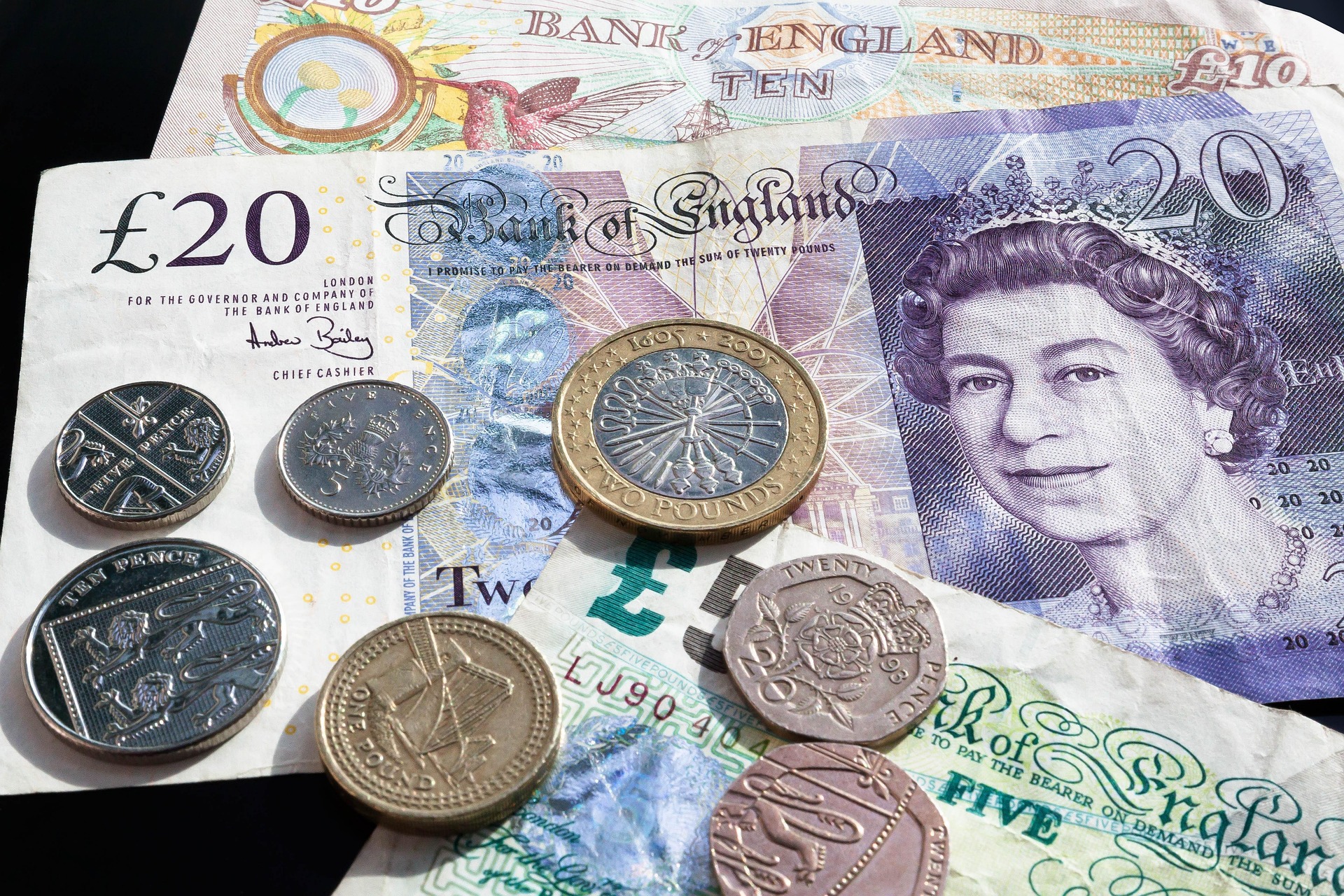
If you are publishing an article, you may be asked, depending on the journal, whether you’d like your piece to be made open access or not. Alongside this, you may be met with a sudden request to pay thousands of pounds to have the article published open access on the journal website.
This charge is called an article processing charge (APC). APCs fuel the economic model of almost all hybrid and many fully gold journals. The idea is the APC pays for things that a paywall would otherwise cover: editing, design, proofing, etc. APCs are not used for diamond OA journals, which are free for both authors and readers, and operate on a different economic model for journal production, including investments from libraries and other institutions. In DOAJ, more than 14,000 journals operate without fees.
If you are not aware of APCs, or even the specific requirements of a journal, you may be a bit stunned when you receive an invoice for £4,000.
To support researchers, the University of St Andrews has read and publish agreements with various publishers, many of which have been recently renegotiated at national level by Jisc. There may also be funds to support authors publishing in gold, fully open access journals.
These agreements, though, often can be difficult to navigate. Here are a few things to look out for when walking through the publishing process.
Eligibility of author, article, and journal
To be eligible for these agreements and funds, the corresponding author must be a current member of staff with an employment contract or a current student. This is checked at the point of acceptance.
The other aspect of eligibility is article type. Many of our agreements have specific article types requirements. Likely, you won’t be offered the agreement if it is an ineligible article type, but you may be. You can find a list of eligible article types for each of our agreements on our website.
Finally, is the journal actually part of the agreement or eligible for funds? Again, likely, if the journal is not part of the agreement, the publisher won’t ask if you are interested in the agreement. However, many fully open access journals might appear to be part of an agreement, but they still charge a high APC, albeit with a discount. As such, you may wish to request funds from the library’s open access fund or from another available fund.
However, you’ll want to check that the journal itself is eligible for those funds. To be eligible for our funds, the journal must be fully open access, recognised and listed in the Directory of Open Access Journals (DOAJ).
If you aren’t sure about your eligibility, then it may be best to email the team at [email protected].
Licensing and funding requirements
If you have a funder involved, you may have specific requirements for what re-use licensing can be applied to your research output. If you have chosen a licence that runs counter to your funding, we will not approve the request until it is changed to comply with requirements.
For example:
- UKRI requires all peer reviewed journal articles, as well as papers published in a conference proceeding with an ISSN to have a CC BY licence. For monographs, CC BY is also preferred, though other licences are permitted.
- European Research Council and European Commission require CC BY in most cases, though monographs and other long-text outputs are permitted C BY-NC or CC BY-ND licensing.
- Wellcome Trust requires CC BY licensing to be applied to all research articles, scholarly monographs, and book chapters supported by the organisation
The Research Excellence Framework (REF) also requires licensing to be applied where possible.
Our institutional open access policy also requires CC BY in most cases, at least for journal articles and conference proceedings.
Need help?
If you have any questions or concerns about article processing charges or anything open access, email us at [email protected].